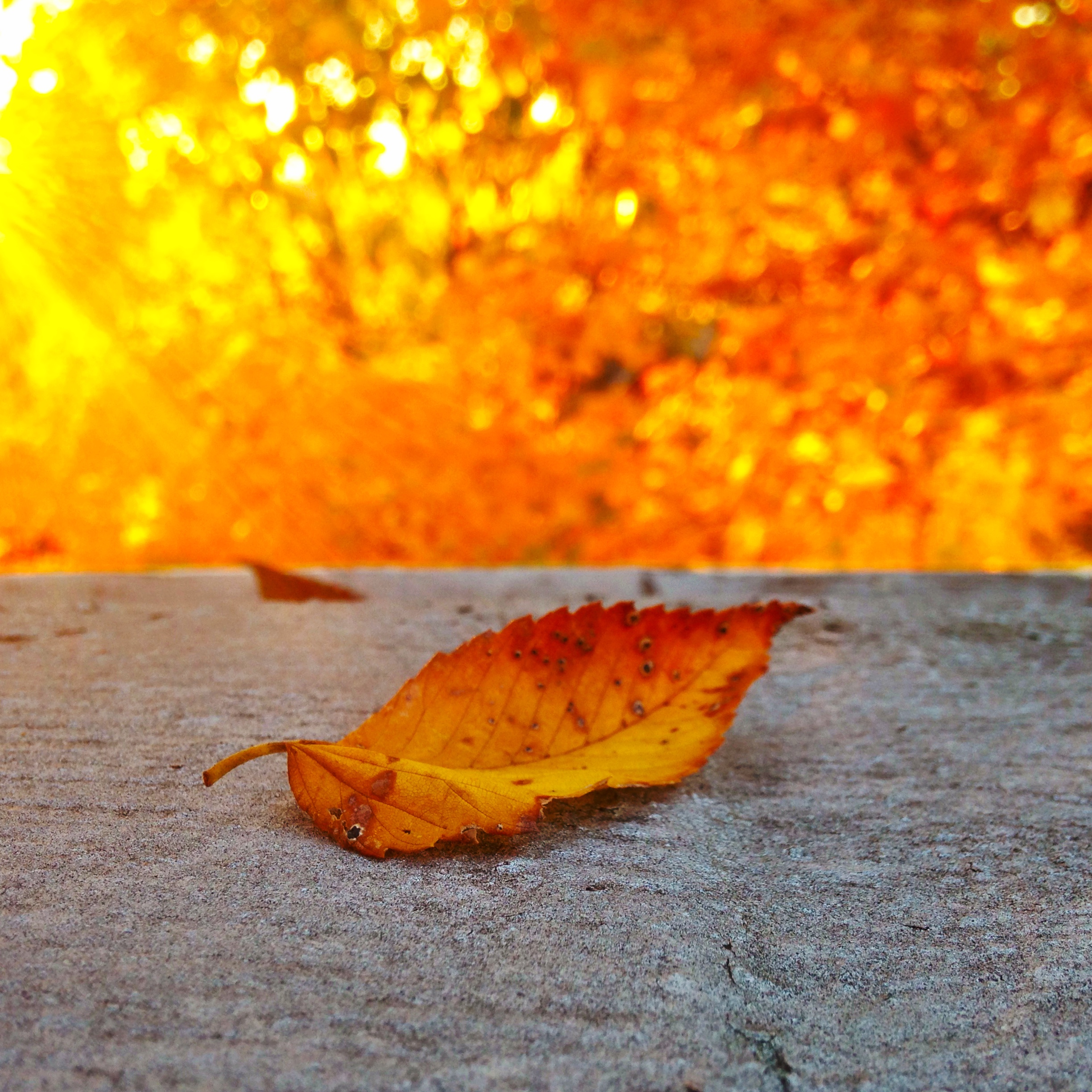
• Fog
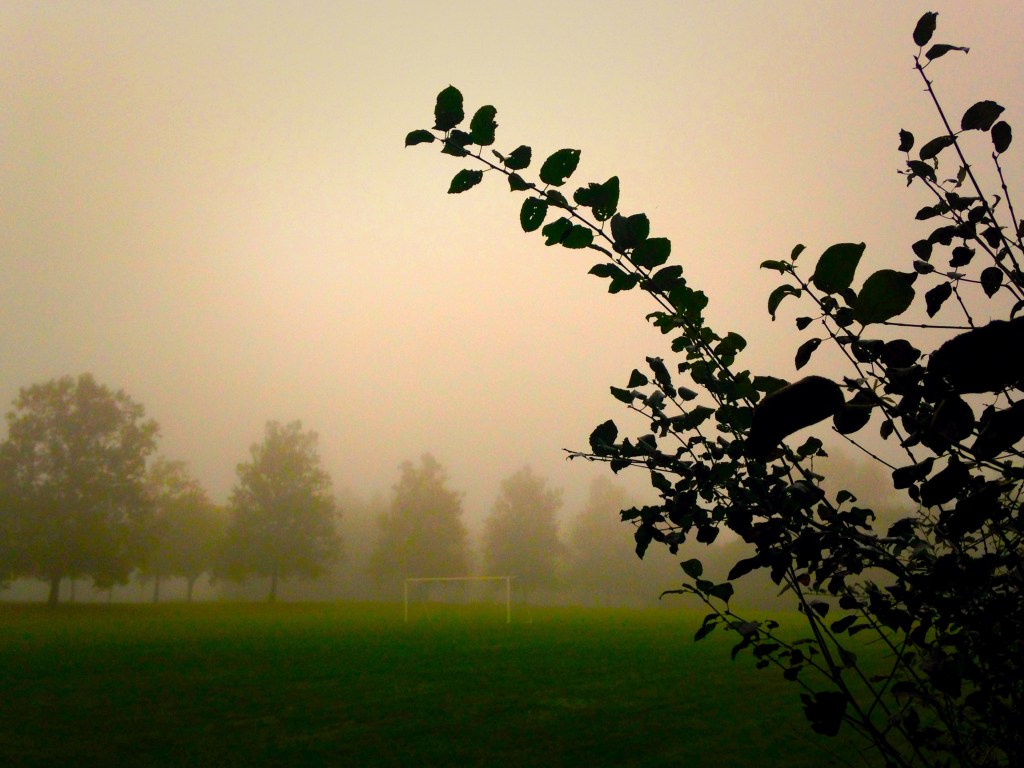
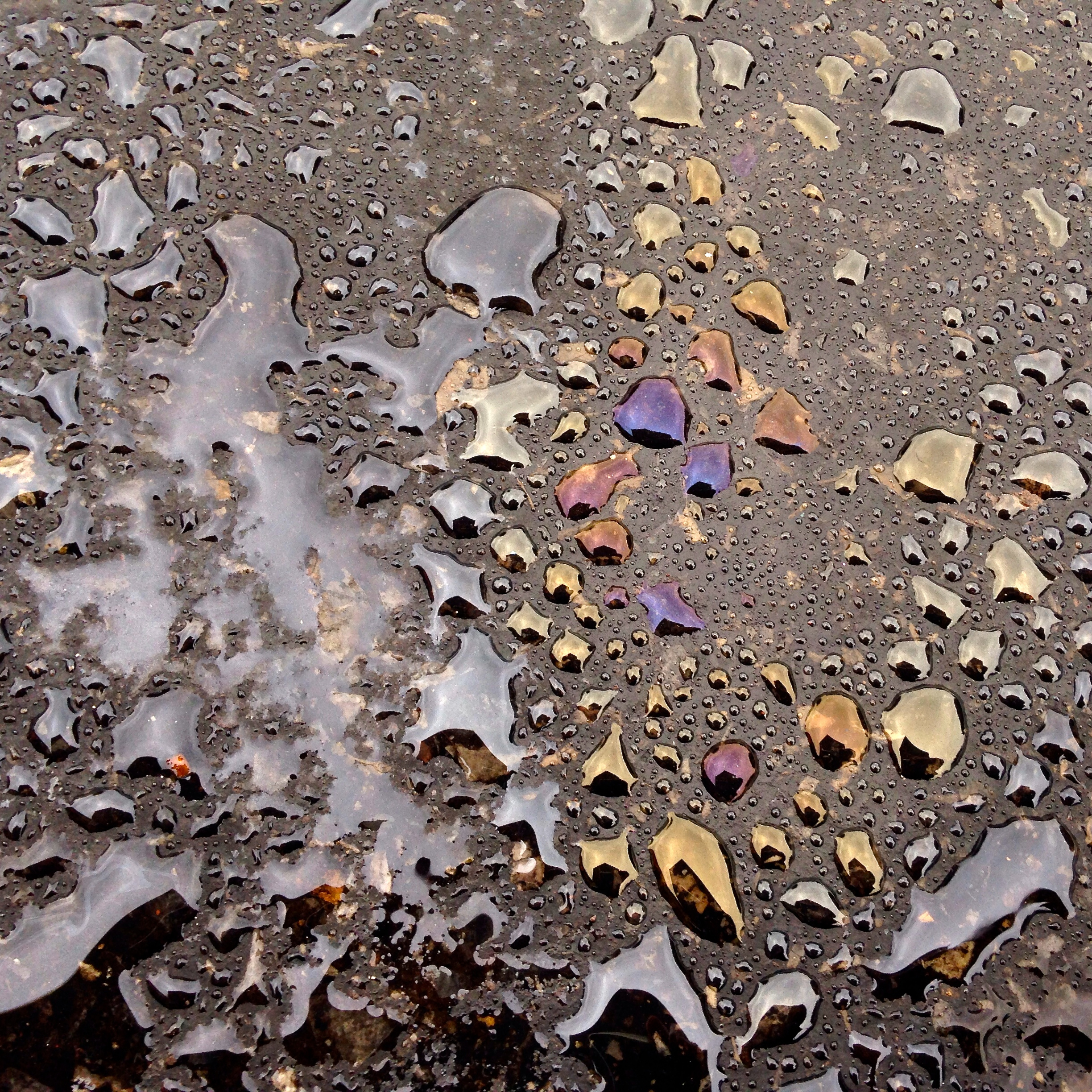
    foggy morning
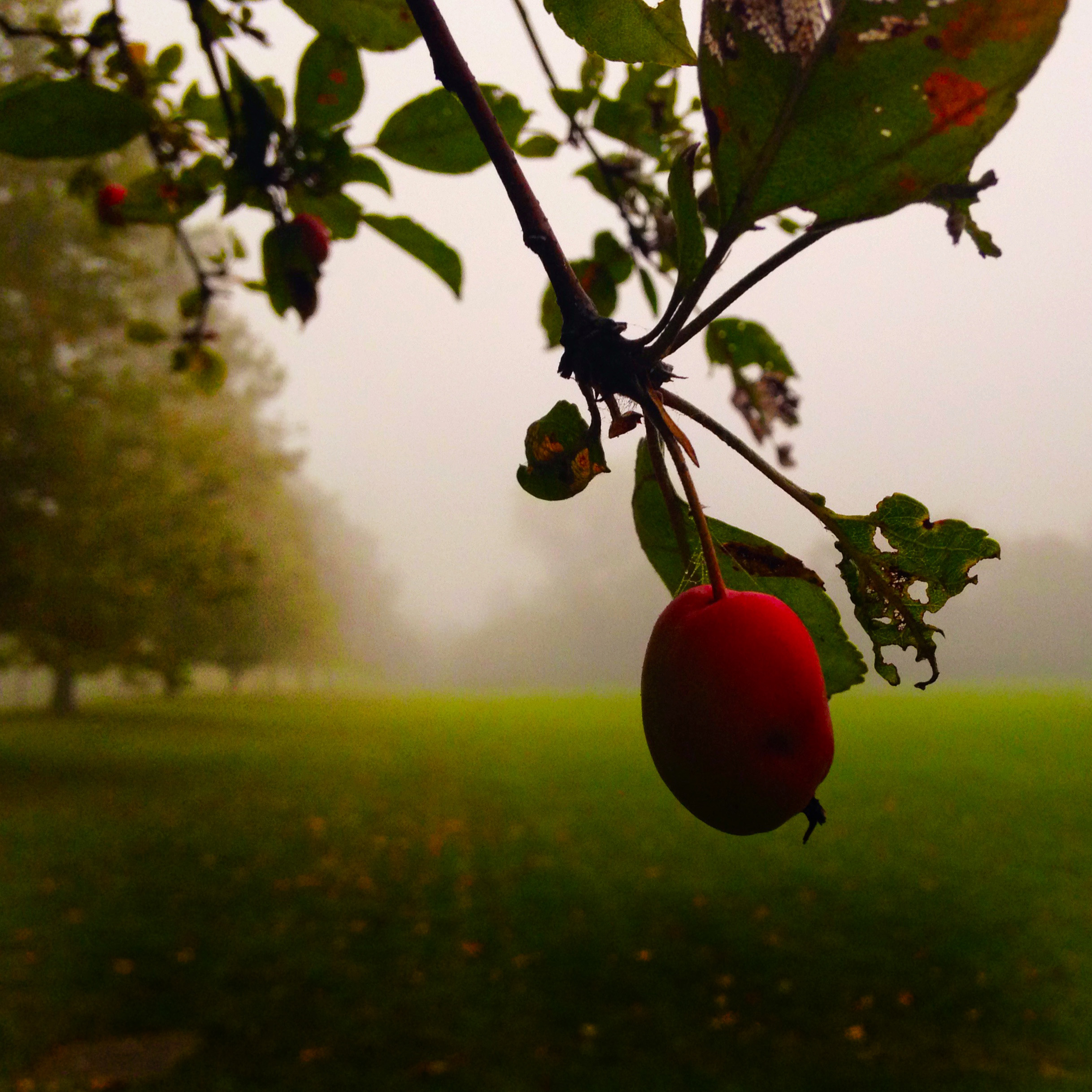
    October Fog #1

    It’s like trying to describe why you love the way oatmeal looks. It’s gray, face it. It oozes.
    It’s not colorful but it sometimes hides sweet colorful things, like raspberries or bright green bits of a diced Granny Smith.

    It’s like trying to bottle the feeling you got when, slightly car sick, you dozed off in the back of the station wagon, and dreamily overheard a conversation between your parents that you didn’t fully understand. It was raining, the wipers squeaking and groaning, it was night time, semi-truck lights bearing down, passing, bearing down again, your siblings asleep in the seat ahead, your dad’s deep voice, the glow of the dashboard haloing your mom’s short dark curls, the last thing you see before you slide down into the crevasse between the back seat and the way-way back. And that’s when something sharp cuts through the dozy-long-distance-drive fog.

    Your mother. She’s angry! You’ve never heard her speak so forcefully, and even if the individual words are swallowed by grumbling highway drone, you know something’s wrong.

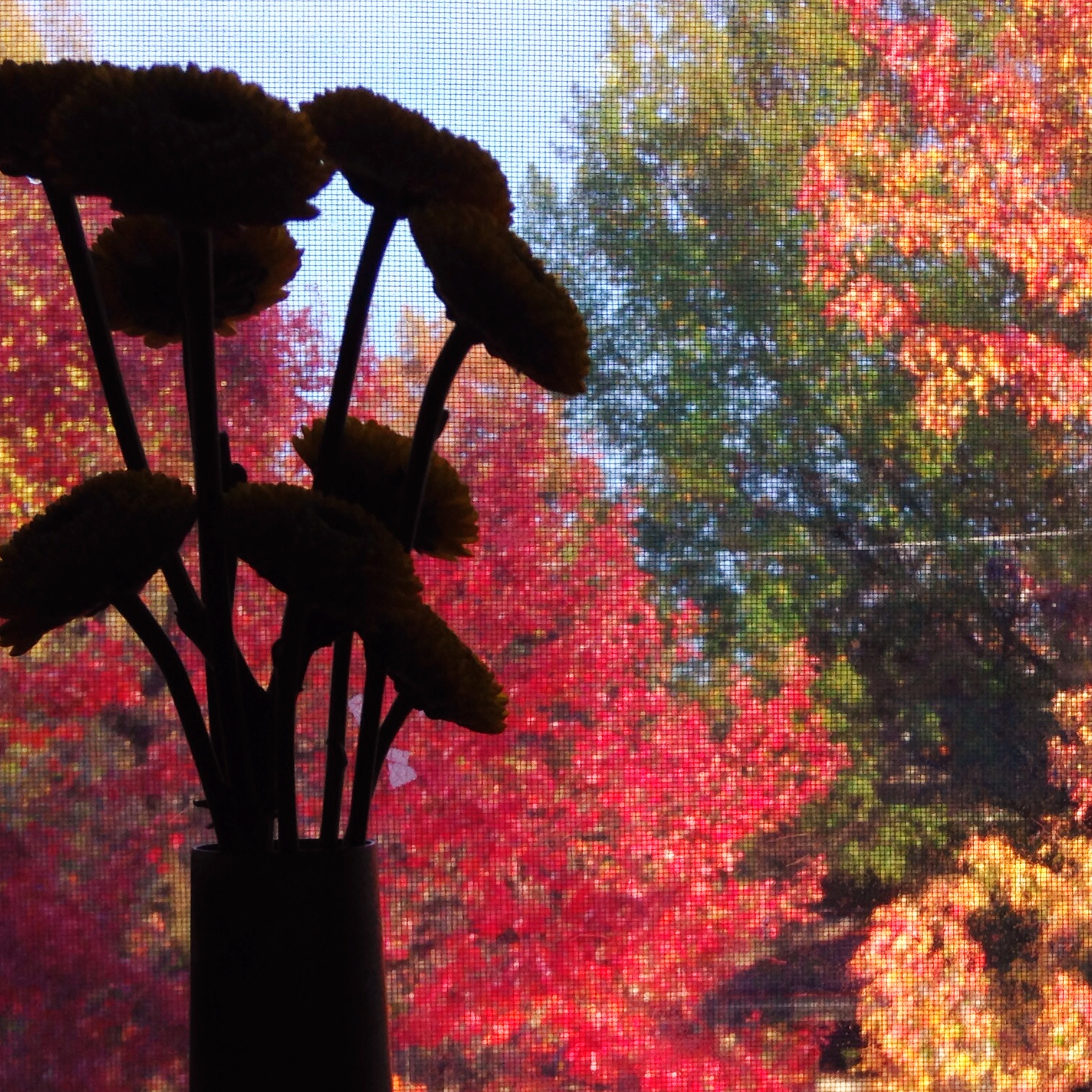
    It’s like reading a poem you cannot understand, but cannot stop reading. You bump through it, feeling the fuzzy edges of emotions scraping your heart. You stumble, arms outstretched, as lights appear in the distance, as trees turn into mountains, as mountains are swallowed whole, as bushes graze like herds of buffalo. Through the murk, color surges—brake lights and red maple leaves—like berries stirred up in a bowl of fog-gray oatmeal on an ordinary Tuesday when someone you love tells you to go, go! Go out into the fog, just go! And you go, and the world makes no sense half the time, does it? Because a five minute walk can swallow you whole, like you were a spoonful.

    In an instant, you’re not sleepy, not stirring oatmeal, no–you are in the oatmeal, you’re a bright bit, maybe?
    Yes, yes. You are.

    While you slept, love descended like a cloud sent from heaven to make the pitch across the road look like a painting. In the invisible rustle of birds, you sense your mother near. The birds sing, or maybe it’s her, there in the fog, another beautiful bright bit.

    Love is always hidden in the gray. Stir, stir, stir it up.

    foggy morning
    October Fog #2
  • I woke to singing birds and rain

    I woke to singing birds and rain,
    the hum of the army of air conditioners
    outside my hotel window—
    I read one news article before my coffee and eggs
    about how songbirds in Singapore
    are endangered because they are being trapped
    and sold as pets
    thousands and thousands of them
    to people who live in cages
    (it did not say the part about people in cages)
    I took a walk in the rain
    in a place where sidewalks end
    and begin at random
    watched low gray clouds swaddle the mountains
    I listened to songbirds singing in the Rhododendrons
    outside Sear’s garden department at the Valley View mall
    and thought about freedom

    IMG_2838

  • The beautiful rowdy prisoners

    The small man
    Builds cages for everyone
    He knows.
    While the sage,
    Who has to duck his head
    When the moon is low,
    Keeps dropping keys all night long
    For the
    Beautiful
    Rowdy
    Prisoners.
    —Hafiz

    Eastern State Penitentiary photo
    A cell at Eastern State Penitentiary

    The beautiful, rowdy prisoners.

    It is their ghosts I think of as I walk past cell after cell. (I know. It’s easy, in such a ruin, to imagine ghosts.)

    Silent screams echo through the ruins of Eastern State Penitentiary in the trendy Fairmount neighborhood of urban Philadelphia. This prison, now an historical museum site, has not housed inmates since its closing in 1971.

    Maybe it was the humidity, pressing down on me the hot summer afternoon I visited. But I felt what I felt. I felt heavy layers of despair. I heard voices, and not just the recorded ones in the audio headset. I also heard the voices of prisoners past and prisoners present, calling me to attention.

    This place was, back in the early 19th century, thought of as a ground-breaking, humanitarian response to reforming criminals. The Quaker-inspired system was based on the belief that solitude and work would allow convicts to focus on their wrong-doing, and become truly “penitent.” Prisoners, many in for crimes like horse theft, saw no one, spoke with no one, touched no one, and smiled at no one, day after day. When necessity forced prisoners to leave their cells, they were hooded so that they had no visual interaction with other humans.

    Eastern State is where solitary confinement was pioneered, and perfected, the audio recording hissed in my ears, as I peered in cell after lonely cell. The Pennsylvania System, as it was dubbed, was hailed as a model.

    It didn’t work. It did not reform.

    But “solitary” remains a punishment used at many modern prisons in the US and is even used on prisoners under the age of 18. US state and federal prisons are currently holding as many as 100,000 inmates in solitary confinement or isolated housing, according to ACLU reports.

    Human Rights Watch notes that as of 2006, the rate of reported mental health disorders in the state prison population is five times greater than in the general adult population.

    What 17-year-old deserves solitary confinement? What mentally ill person deserves it? Which criminals deserve this, exactly? And who is empowered to decide and implement this torture that takes place far from the eyes of mainstream society?

    As Charles Dickens said, after visiting Eastern State in 1842:

    “….I hold this slow and daily tampering with the mysteries of the brain to be immeasurably worse than any torture of the body; and because its ghastly signs and tokens are not so palpable to the eye… and it extorts few cries that human ears can hear; therefore I the more denounce it, as a secret punishment in which slumbering humanity is not roused up to stay.”

    I wonder at how I have slumbered. In the courtyard of Eastern State sits a sobering, three dimensional bar graph, charting the rate of incarceration in US prisons versus the rest of the world. The US has achieved world domination here. With less than 5 percent of the world’s population, the United States has almost a quarter of the world’s prisoners.

    Processing all this, I walk the corridors of Eastern State. A fog of cognitive dissonance begins to cloud my mind. The light here is soft, and beautiful as the light through any rose-windowed cathedral. The arched corridors are beautifully proportioned. In its heyday, Eastern State was hailed as a model of justice and technological advancement. On the surface, it appeared to be such a good idea. An unquestionable system, implemented by a government that knew what it was doing.

    This is a reminder, one of the little voices whispers to me.

    A reminder to wonder, to question. A reminder to look beyond, to see what is really happening.

    I’m not entirely sure what all this means. But I know it’s not good. I keep reading. The United States prison population has increased by 500% in just thirty years. I learn that that minorities and impoverished people—the most voiceless, the least powerful— are far more likely to end up doing time. Hard time.

    Meanwhile, according to the New York Times, prisoners are being put to work filling government contracts. Think “slave labor.” Federal Prison Industries, also known as Unicor, uses prisoners for labor, and pays as little as 23 cents an hour. And, according to the Ella Baker Center for Human Rights, thirty-seven states have legalized the contracting of prison labor by private corporations who bring their operations inside prison walls.

    Suddenly, as I write this, I hear other voices too, jeering ones, asking me if I’m forgetting the victims, in all this wondering? No, I’m not forgetting.

    But there can be many kinds of victims, after all. And many kinds of crimes, not all of them carried out by individuals.

    The ghosts in my head remind me to keep wondering, to keep questioning why we as a nation keep building so very many cages.

    Eastern State Penitentiary

    Links to more information on this topic:

    http://www.easternstate.org/

    http://ellabakercenter.org/

    http://www.amazon.com/Race-Incarcerate-A-Graphic-Retelling/dp/1595585419#reader_1595585419

    http://www.wsj.com/articles/large-number-of-inmates-in-solitary-poses-problem-for-justice-system-study-says-1441209772

    http://www.nytimes.com/2008/04/23/us/23prison.html?pagewanted=all

    http://www.nytimes.com/2012/03/15/business/private-businesses-fight-federal-prisons-for-contracts.html

    https://www.hrw.org/news/2006/09/05/us-number-mentally-ill-prisons-quadrupled

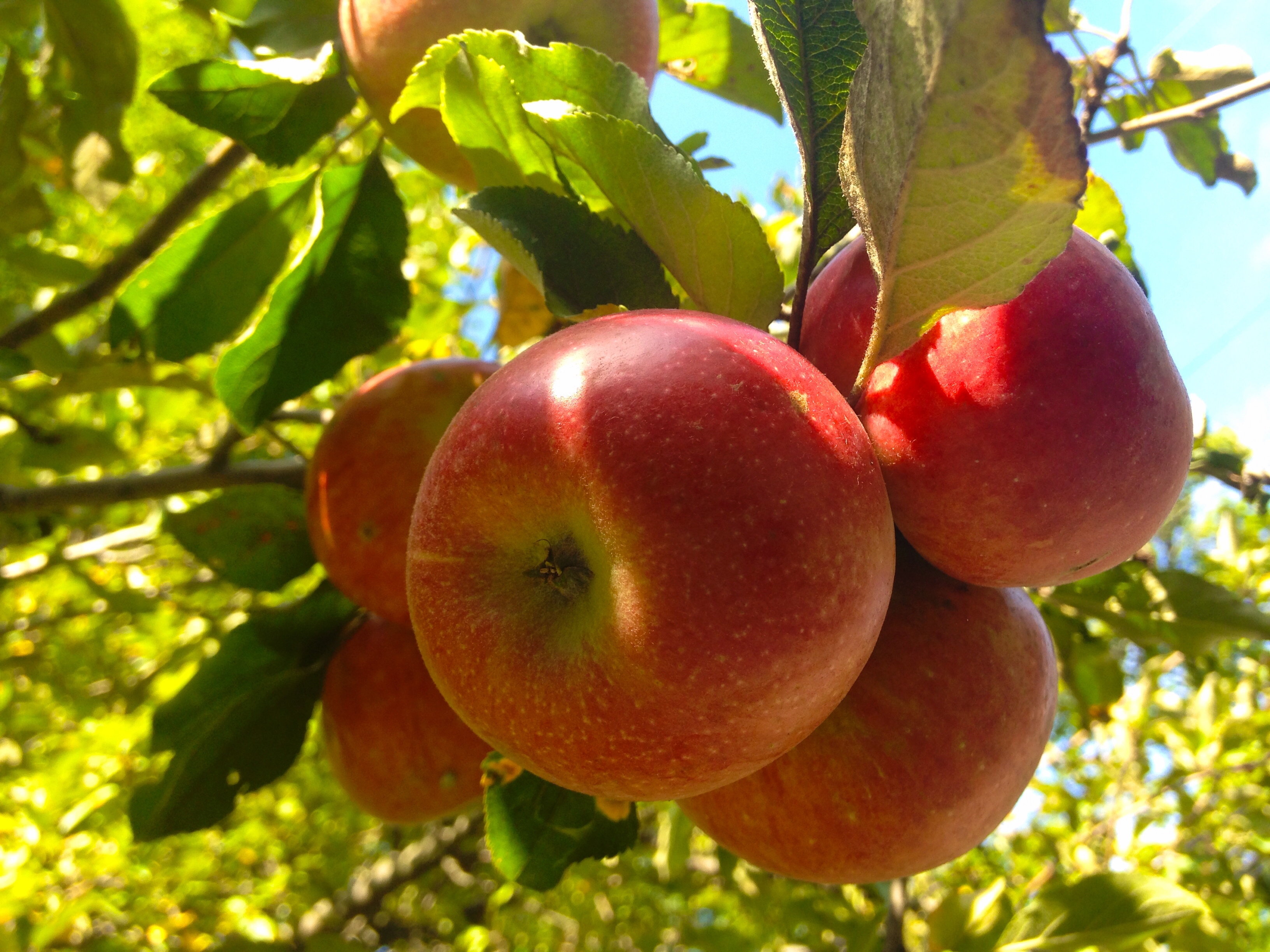
  • applesApple Crisp
    Start with apples.
    The best thing is to pluck them
    heavy handful by heavy handful,
    from laden trees
    on a sunny day
    as the bees suck the sweet
    from the windfalls at your feet

    Otherwise, handpick them at the market –
    the farmer’s market,
    not the hypermarket.

    The apples need to be relaxed, cheerful, tart,
    dark red outside and
    greeny-white inside
    Rather than waxed, mealy and underripe.
    Hypermarket apples do not bake well.
    They have forgotten the feel of warm air and warm sun
    They have been too cold too long
    Too cold to let their juices run
    in a hot oven mingling with cinnamon
    and sugar and melting butter.

    Fresh-picked apples and sunshine
    Oats and brown sugar,
    baking
    bubbling
    done.

  • Night & Day
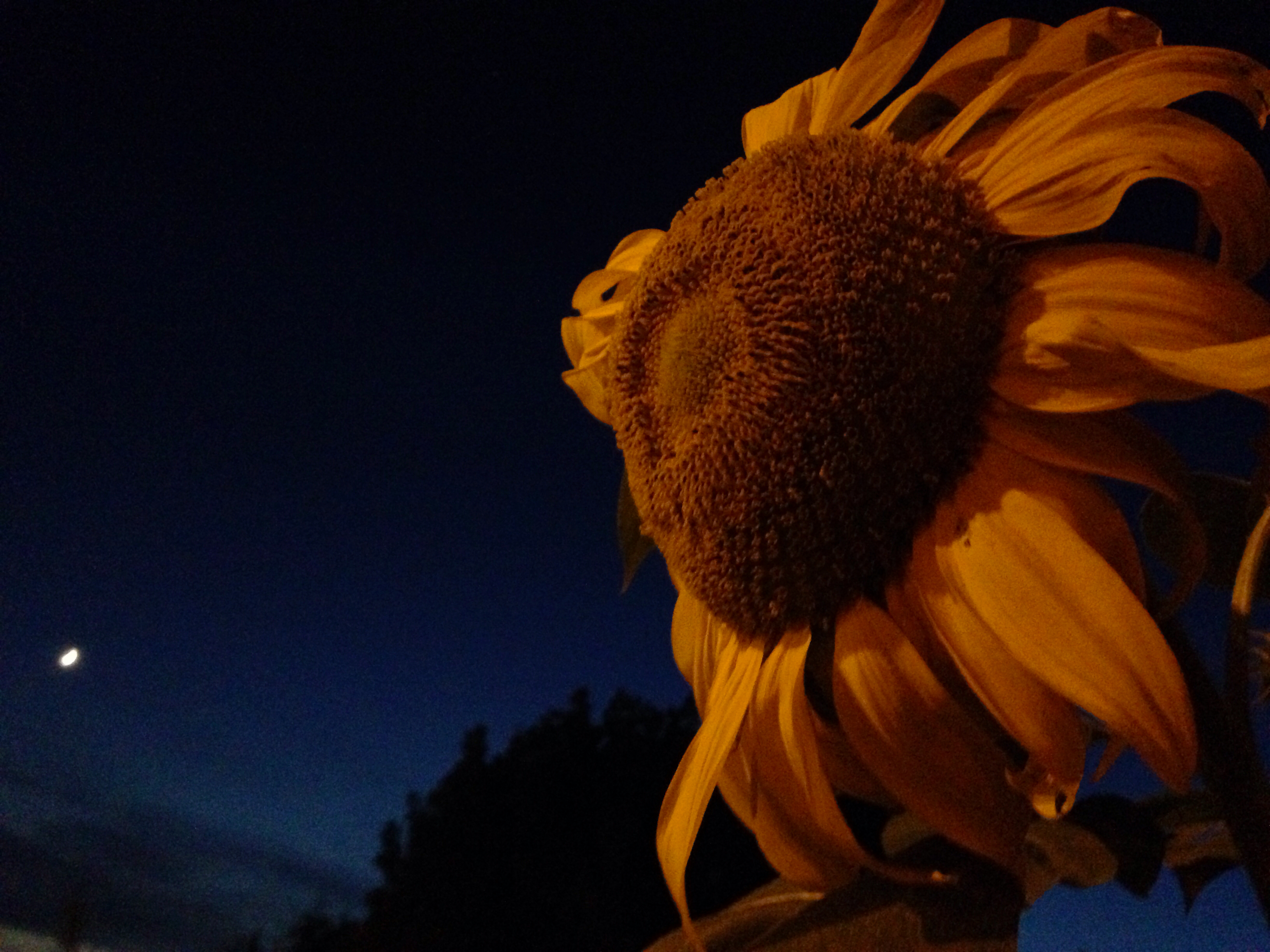
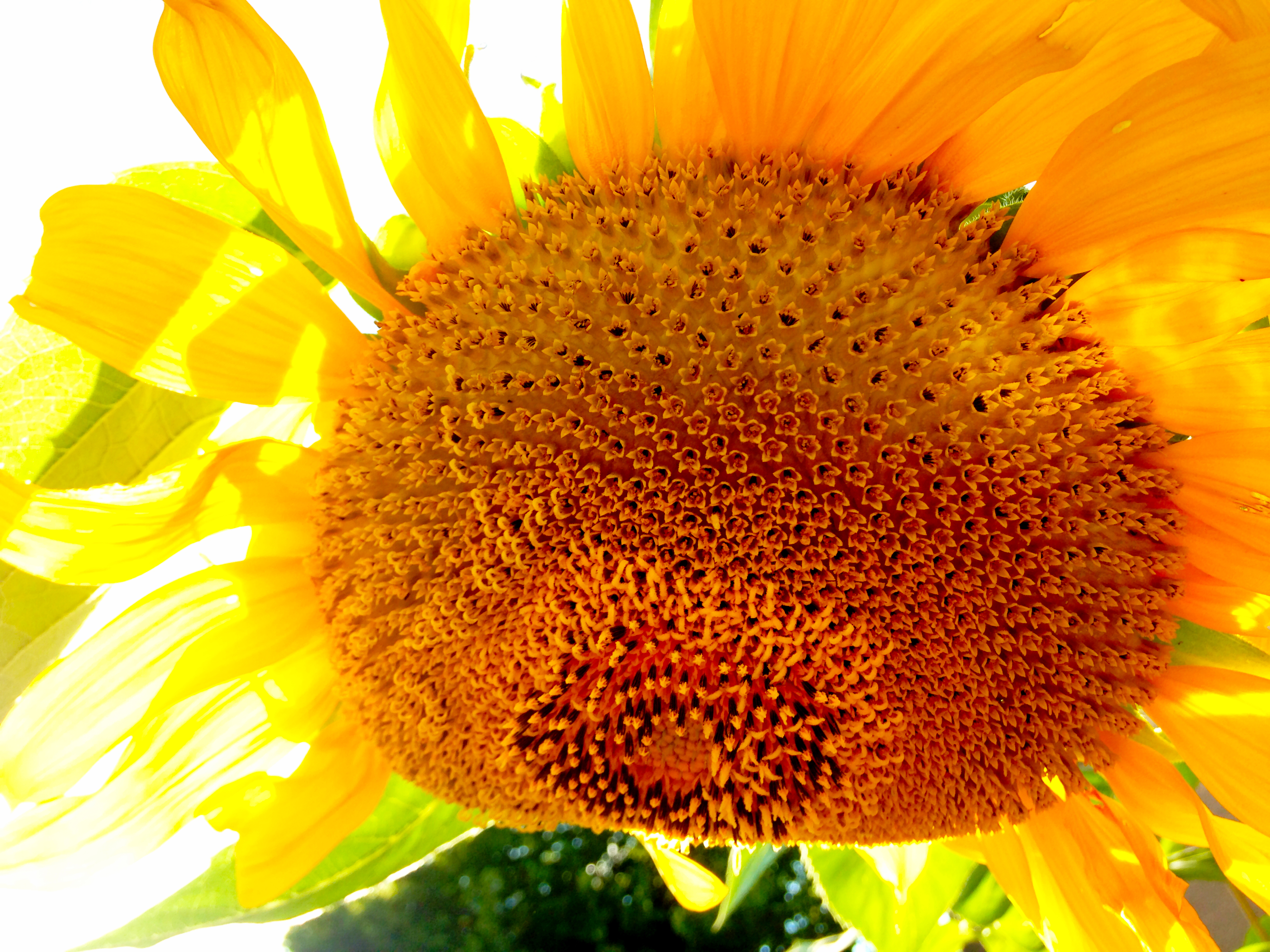
    Sunflower
    Nighttime
    sunflower
    Daytime

    It was only a matter of hours.

    The sunflower who had stood so tall, a full head taller than me, regal and commanding, had turned her gaze towards the earth instead of the stars.

    I’d come back to take a daytime image of her.

    I expected her to be smiling at the sun, chin held high as it had been the night before. But there she was smiling down at me, bowed, chin tucked.

    Nothing stays the same. She was beautiful as ever.

  • reflections2a

    I met her in the showers, at the University Recreation Center on the Friday night of welcome week. She was me. But at first, I thought she was someone else, just a random stranger.

    Soaking wet, she popped out from one of the two dozen curtained shower stalls. Her skin was pale, her cheeks pink, blooming with life. Wrapped up in a crimson towel, long dark hair dripping, she looked as if I’d startled her, rather than the other way around.

    “Excuse me,” she said, over-loud, nearly a shout. I stopped. A flicker of embarrassment crossed her face. She went on, more quietly, “Um, do you know what kind of soap is in those dispensers?” She waved a hand back toward the shower she’d just exited. She was trying to sound nonchalant, but she looked lost.

    “Crappy hand soap,” I said. “Need to borrow some shampoo?” I held out my shampoo, and my conditioner for good measure, and she took me up on it.

    The locker room at the Rec center is huge, built to accommodate seventy-five women. It was just her—and me. After showering, it turned out we’d chosen lockers in the same row.

    Silence hung between us as we clicked open our combination locks.

    “You’re a freshman?” I asked.

    She didn’t seem to hear. But of course she was a freshman. Alone on the first Friday night on a big campus, anxious—maybe her roommates ditched her? Maybe it was too lonely to sit in the dorm, maybe a swim would help? I felt sure she had only asked me about the soap to ground herself, to feel a little less weird, less alone.

    I toweled dry, hooked my bra, slipped on underwear. Her back to me, she squirmed into a pair of compression shorts, the sort runners wear.

    “So—what’s your major?”

    She looked around, as if to be sure I was talking to her. She pulled her t-shirt on and turned. “It’s called Graphic Communication Design,” she answered, saying the words very carefully, as if they were foreign and she wasn’t quite sure of her pronunciation. “It’s like, you know, advertising, and book design, and stuff.”

    I laughed out loud. Her dark brows knotted. I felt her anxiety rise, palpable.

    “I’m sorry,” I said. “But I know exactly what that is, I majored in the same thing here, a thousand years ago.”

    She relaxed and met my gaze straight on. “You know,” she said, “I really wanted to study fine arts.” She said it as if confiding a terrible secret, as if it were a little shameful. For a split second, I saw her longing, her passion, for something she didn’t think she deserved.

    And that’s when it hit me.

    She was me. The me of thirty-some years ago.

    I think it’s called projection. Of course, she wasn’t me. But I was reeling back in time, just the same.

    She was there to show me how tender and unsure I’d been at her age. How full of promise, buried under suffocating layers of self-doubt.

    I recognized her, because I’d seen her expression in my own mirror. And I remembered how cruel I’d been to that girl in the mirror—meaner than I’d ever be to any other human—and the impossible standards I held her to.

    Fully dressed, the girl next to me combed her wet hair into a sleek knot.

    Just the way I’d combed my hair, at sixteen, the day I’d gone out with a much-older man, feeling cool and empowered behind my own thin mask. How he didn’t take me to a restaurant, as promised, but instead took me to his home. How I didn’t fight him, and how I’d never forgiven myself for my submission, even though his icy eyes had promised worse things if I didn’t pretend to want what he was going to take from me, one way or another.

    “There’s nobody home next door,” he’d said with a dead-eyed smile.

    The girl slammed her locker shut, bringing me back to the present.

    “Goodbye,” she said, picking up her backpack.

    “See you.”

    I wanted suddenly to run after her, to tell her everything she needed to know about the coming years, how there would be so much joy and so much pain and how nothing, absolutely nothing, would really quite work inside her soul until she could look back and see just how young she was in this moment, and how whatever she would mess up—or think she messed up—she was doing a good job, considering. She needed to know that.

    But I didn’t run after her. That would be crazy. Some things you have to figure out for yourself, even if it takes thirty-odd years to do it.

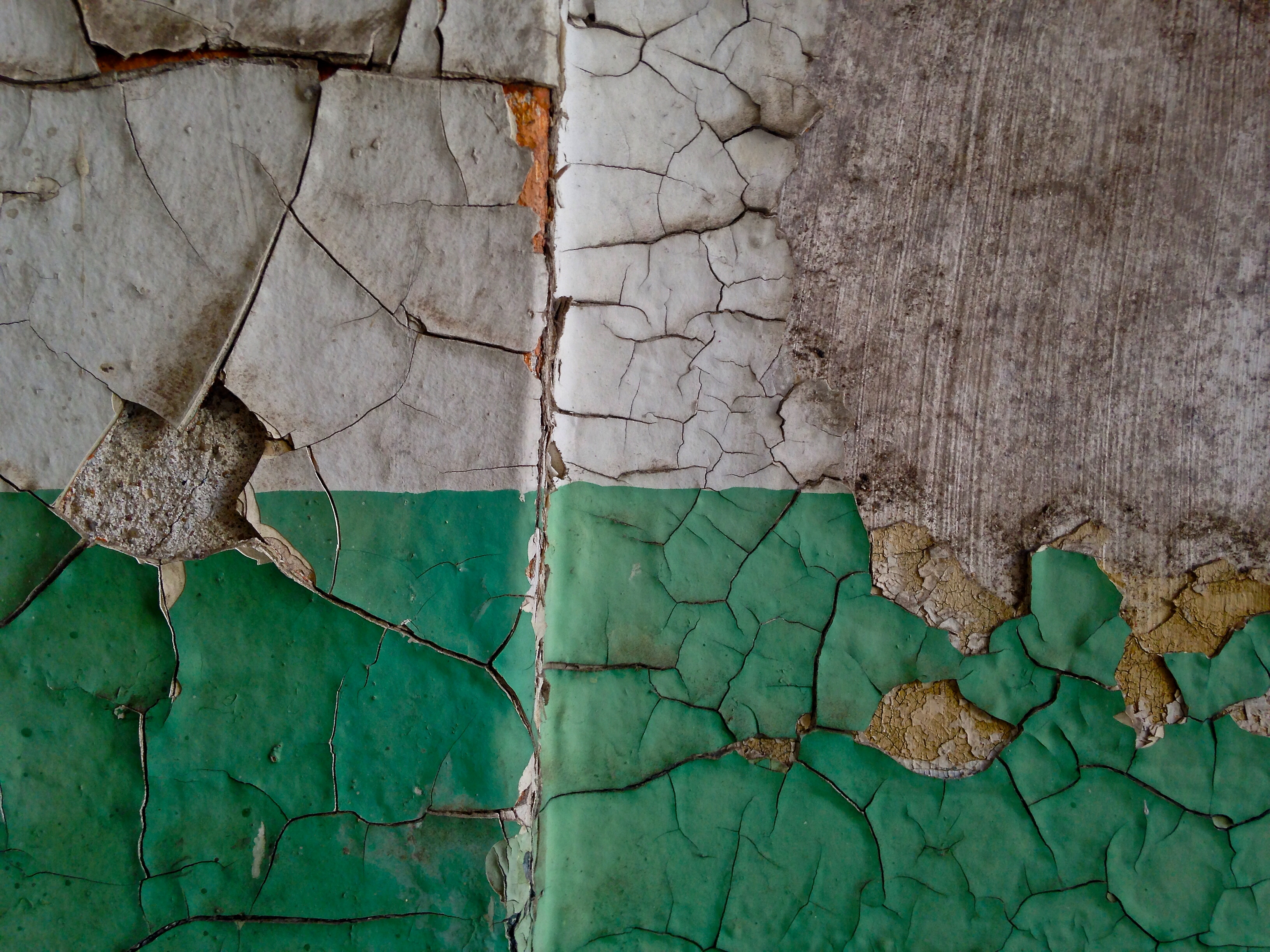
  • A wall, Eastern State Penitentiary.
    A wall, Eastern State Penitentiary.

    I’m doing a forty-day series of writing prompts to jump-start a novel that I’d let go of working on.

    I write each prompt in the voice of the character of my story. A lot of it won’t be in the story, but it is a lot of fun and I’m getting to know my character much better.

    Here’s today’s: Imagine a time you felt trapped or were trapped, literally. What happened? (Prompt inspired by a visit to Eastern State Penitentiary​, in Philadelphia, a prison where solitary confinement was pioneered as a punishment.)

  • shadow

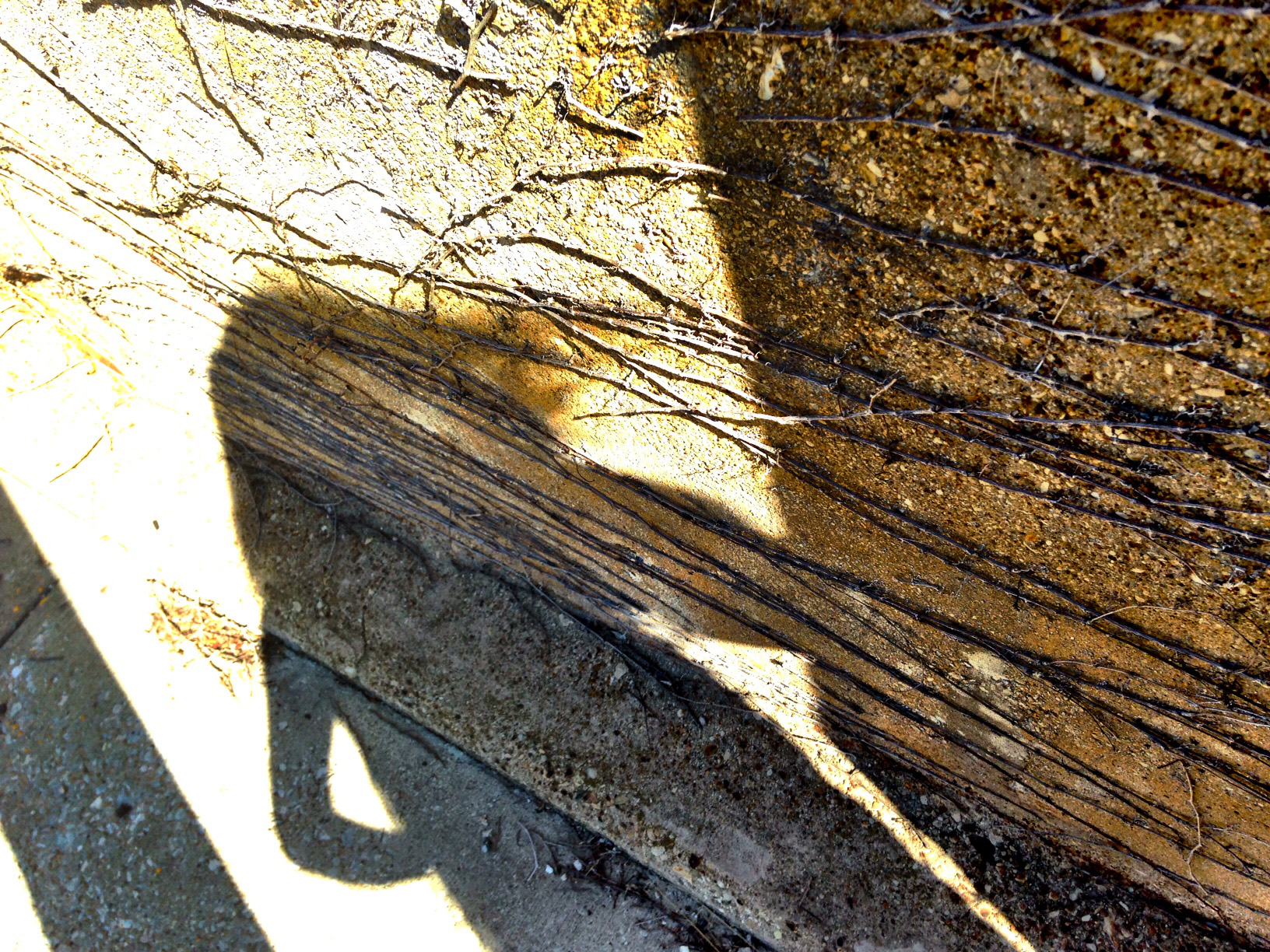
    My shadow lives on vine-covered walls.

    It stretches before me on the sidewalks I travel, everywhere I go.

    It’s much like every other shadow, I think: at once ordinary, commonplace, beneath notice—and also completely unique to me and the slant of each passing hour’s sunlight.

    My shadow disappears at night, except when the moon shines.
    There are artificial shadows, weirdly colored, cast by streetlamps and shop lights. False shadows.

    At night, my real shadow sometimes curls up in a bottle of cabernet sauvignon that I might, unsuspecting, uncork and drink.

    I sip my shadow in with the earthy dark red wine and sometimes— when the moon is in a certain phase, when certain molecules of my brain are swelling like an answering tide—my swallowed shadow slips free like a ghost and wanders the winding path of my bloodstream, staining my thoughts like a fat drop of wine splattered on a sweater, a drop that spreads out and changes the color of everything.

  • IMG_6086

    No and You Cannot

    Rinsing a dish, I think:
    When I grow up, I want to be a poem!
    flaring, burning, writhing, flaming, feel my body
    shrivel to ash, feel my soul
    drift heavenward…

    “Ri-dic-u-lous!” the twins chorus
    No and You Cannot, that pair
    who live in my head, have lived there
    my whole life, givers of doubt
    little shivers, always with me

    They’ve strung hammocks, hung lanterns
    sometimes, they sleep
    their relentless snoring
    rising, falling, sawing—a backdrop like the cicadas
    outside in the mulberry tree

    I sort knives, forks, spoons, bowls
    Snug in my brain, the twins curl, lulled by my clatter
    I scrub at some eggy crust and quietly think:
    Sweet pumice stone,
    Meet beating heart

    Grind it down, down
    grind it down,  smooth it away…
    You Cannot kicks me. No (so dramatic!) screams in her sleep.
    My dogged heart keeps on
    enduring, enduring, enduring

    Can you hear it? Like the cicadas
    like the deep breaths of my hopes and my dreams
    rising, falling, enduring
    enduring, enduring. I’m fifty-two.
    And I’ve decided: when I grow up, I want to be a poem.

  • photo

    Waxing moon/July 28

    How many times we all cooed at
    the newborn moon, cradled
    in the ghostly arms of the Sycamore
    we oohed, we ahhed, we sighed—
    moonstruck

    Tonight the waxing moon’s gotten herself
    tangled in the twisty-fingered Sweet Gum
    just outside my new window
    I ooh, I ahh, I sigh—
    still moonstruck